Third World Bazaar: Handcrafted Global Goods
Third World Bazaar began as a curated marketplace for handcrafted goods sourced from small-scale artisan communities. Its aim centers on connecting buyers in North America and Europe with makers in South Asia, Latin America, North Africa, and Southeast Asia while promoting fair compensation, cultural integrity, and sustainable materials. The 2019 Bazaar is closed for 2019, and activities since then have focused on deeper partnerships, improved traceability, and seasonal online showcases that support artisan income outside single-event sales.
Profiles, materials, techniques, and heritage
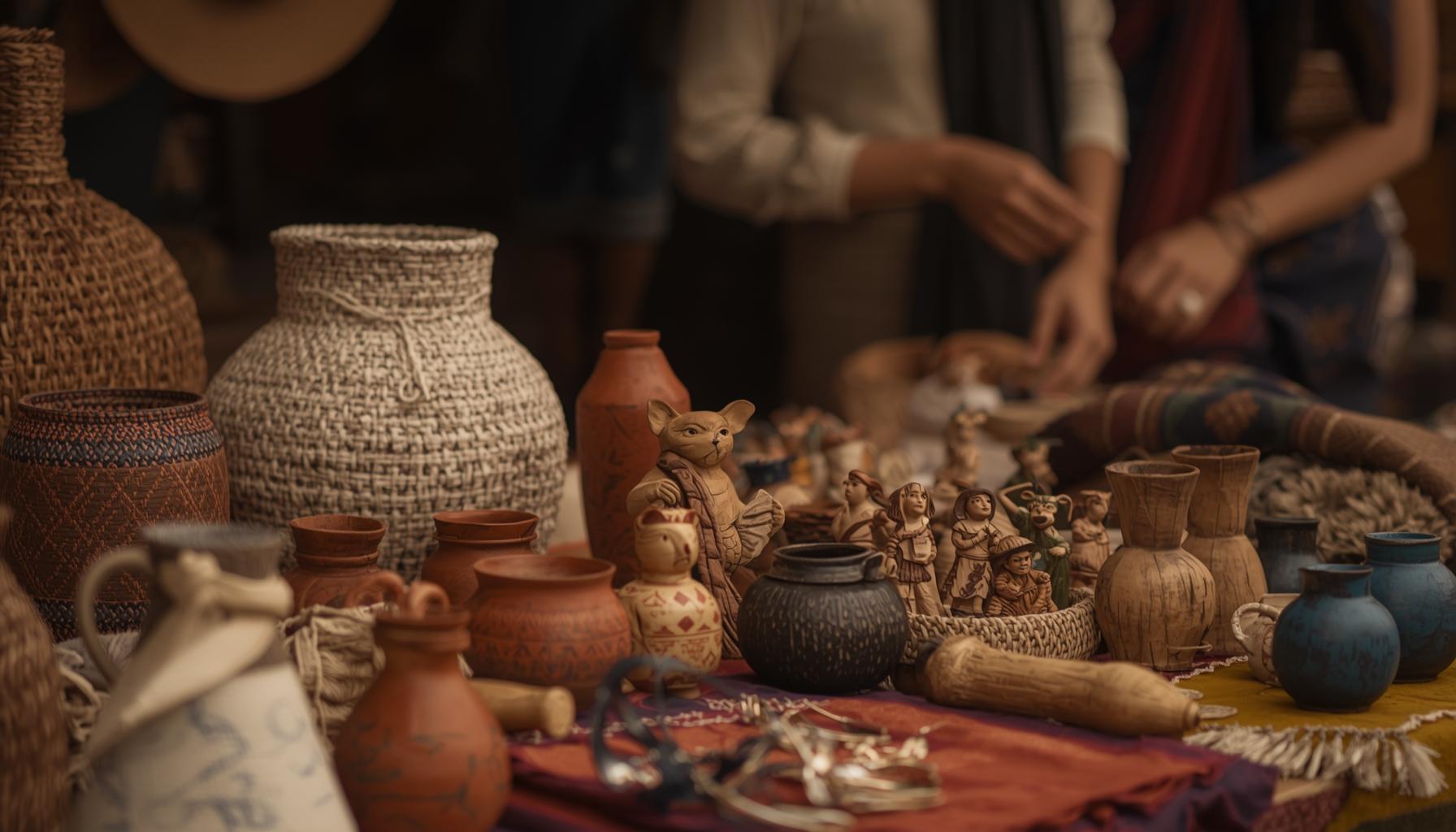
Artisan profiles are rooted in region-specific craft lineages that span generations. In rural Gujarat, India, textile cooperatives preserve Bandhani tie-dye and block printing on handwoven cotton. Around Lake Atitlán, Guatemala, Maya weavers use backstrap looms and natural indigo to produce corte and huipil textiles tied to community identity. Moroccan leatherworkers in Fez maintain centuries-old vegetable-tanning methods, while Peruvian alpaca knitters in the Andes combine natural dyeing with jacquard patterns specific to village motifs. These practices use locally available materials: cotton, alpaca, vegetable-tanned leather, natural indigo, and reclaimed metals.
Midway through this explanation, the following summary presents representative craft types, regions, techniques, primary materials, and typical household income impacts observed when artisans gain stable market access through ethical retail partnerships.
| Region | Representative Collective | Technique(s) | Primary Material(s) | Approximate change in household income after stable market access |
|---|---|---|---|---|
| Gujarat, India | Women's textile cooperative (rural clusters) | Bandhani tie-dye, block printing, handloom weaving | Cotton, natural dyes | +25–40% |
| Lake Atitlán, Guatemala | Maya weavers (family workshops) | Backstrap loom weaving, natural dyeing | Cotton, indigo | +30–50% |
| Fez, Morocco | Tanner craft groups | Vegetable tanning, hand-stitching | Leather, brass fittings | +20–35% |
| Cusco region, Peru | Highland knitters (community groups) | Hand knitting, natural dye extraction | Alpaca wool, plant dyes | +30–45% |
| Java, Indonesia | Batik artisans (home studios) | Wax-resist batik, hand-drawn motifs | Cotton, wax, plant dyes | +15–30% |
These figures are aggregate approximations reflecting market access benefits commonly reported in fair trade and NGO impact summaries. Cultural context influences product design and market messaging; for example, motifs used by Maya weavers often encode local histories, while Moroccan zellij and leather patterns attract buyers seeking authenticity.
Economic, ethical, and sustainability practices
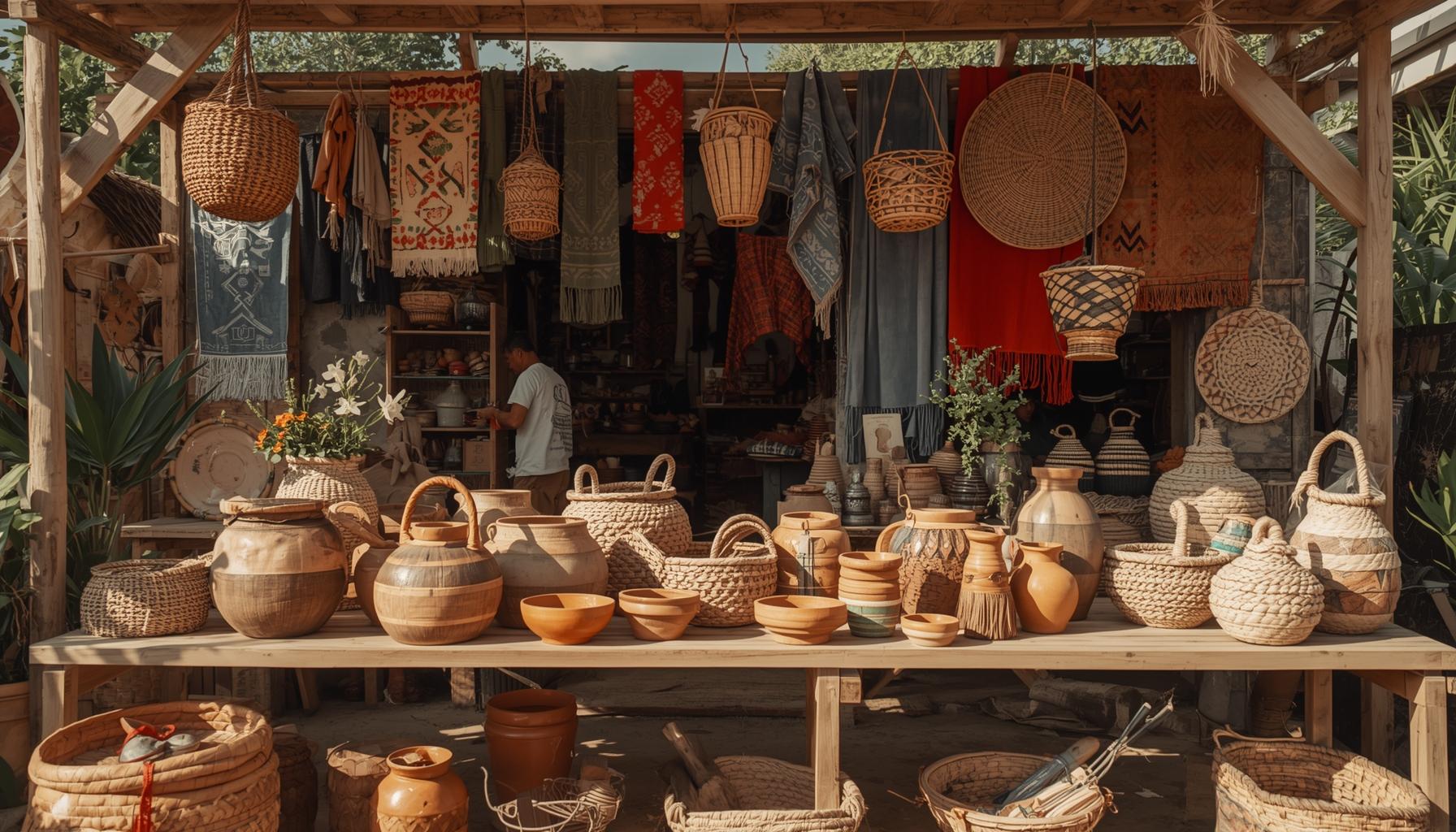
Third World Bazaar emphasizes transparent pricing models and adherence to fair trade principles. Relevant certification bodies include Fairtrade International (established 1997), the World Fair Trade Organization, and Fair Trade USA. Certifications vary by product and region; many artisan partners also work with regional NGOs to document provenance and labor standards. Sourcing prioritizes renewable or low-impact inputs: organic cotton, vegetable-tanned leather, low-water dyeing techniques, and reclaimed metal components. Sustainable packaging initiatives adopted since 2019 reduced single-use plastic by measurable amounts in shipment programs, while workshops on efficient dyeing cut local water use by an estimated 15–25% in pilot projects.
Core ethical commitments include:
- Transparent cost breakdowns so artisans receive a living wage above local median earnings.
- Advance payments and production financing to reduce reliance on predatory loans.
- Investment in tool upgrades and training to improve productivity without sacrificing handcraft quality.
Market dynamics, design innovation, and skills transmission
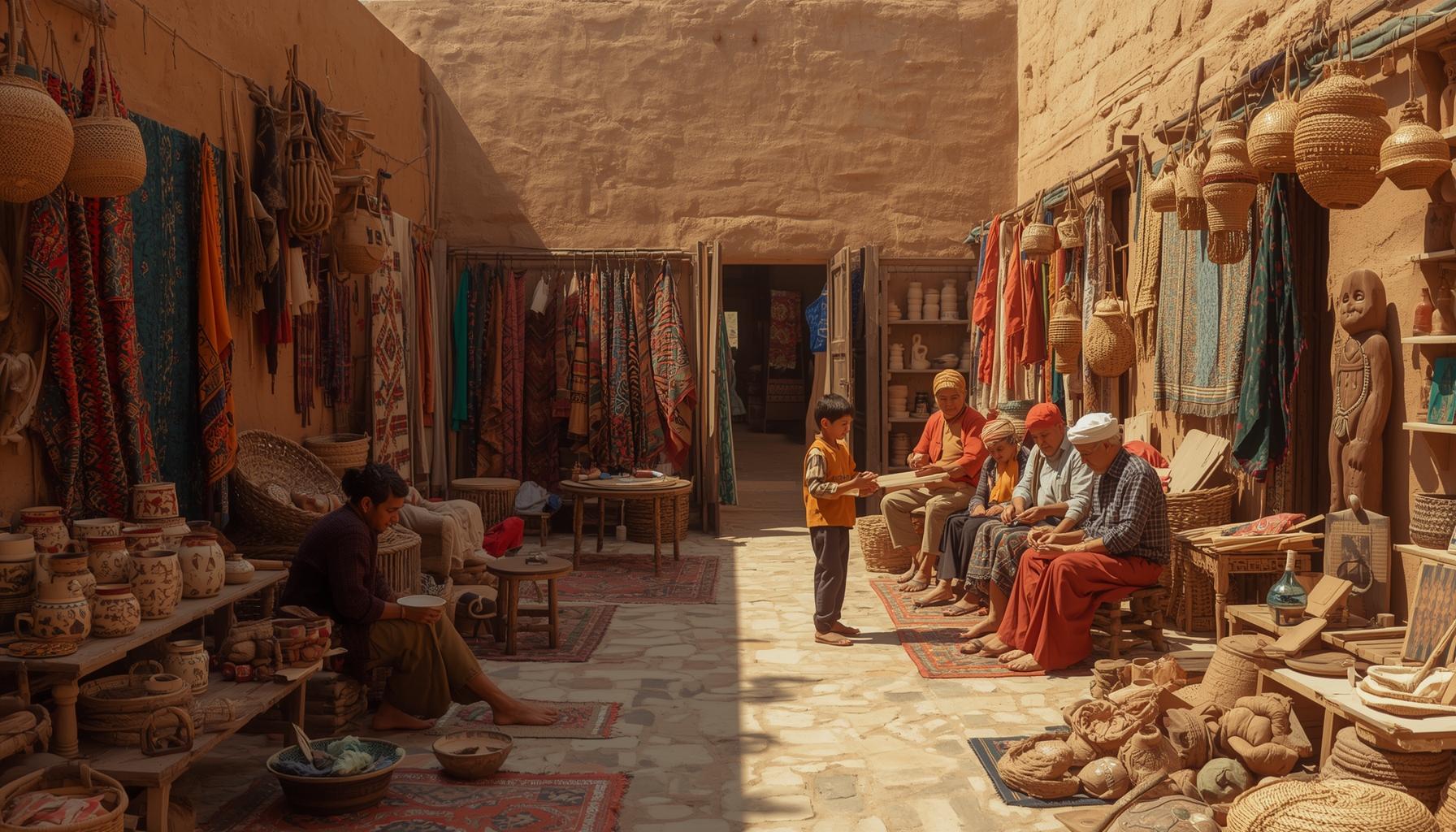
Artisan livelihoods depend on effective product development, branding, and distribution. Collaborations between designers and artisan groups have led to modular accessories, updated color palettes, and hybrid products that respect traditional techniques while meeting contemporary retail standards. Seasonal collections align with cultural festivals such as Diwali, Inti Raymi, Ramadan, and Día de los Muertos, offering storytelling points that increase buyer engagement.
Capacity building includes in-person and remote training covering quality control, digital cataloging, cost accounting, photography for online shops, and basic export compliance. Workshops target women and youth to ensure continuity of craft skills. Women often form the backbone of textile and jewelry production; providing leadership training and childcare stipends has improved retention and household income stability.
Visual storytelling, from studio photography to booth displays, is essential for converting attention into sales. Authentic imagery that shows makers, tools, and process steps increases trust and average order values. Logistics coordination behind the scenes requires batching shipments, customs documentation, and seasonal inventory planning to minimize delays and preserve product condition.
How shoppers, partners, and supporters help
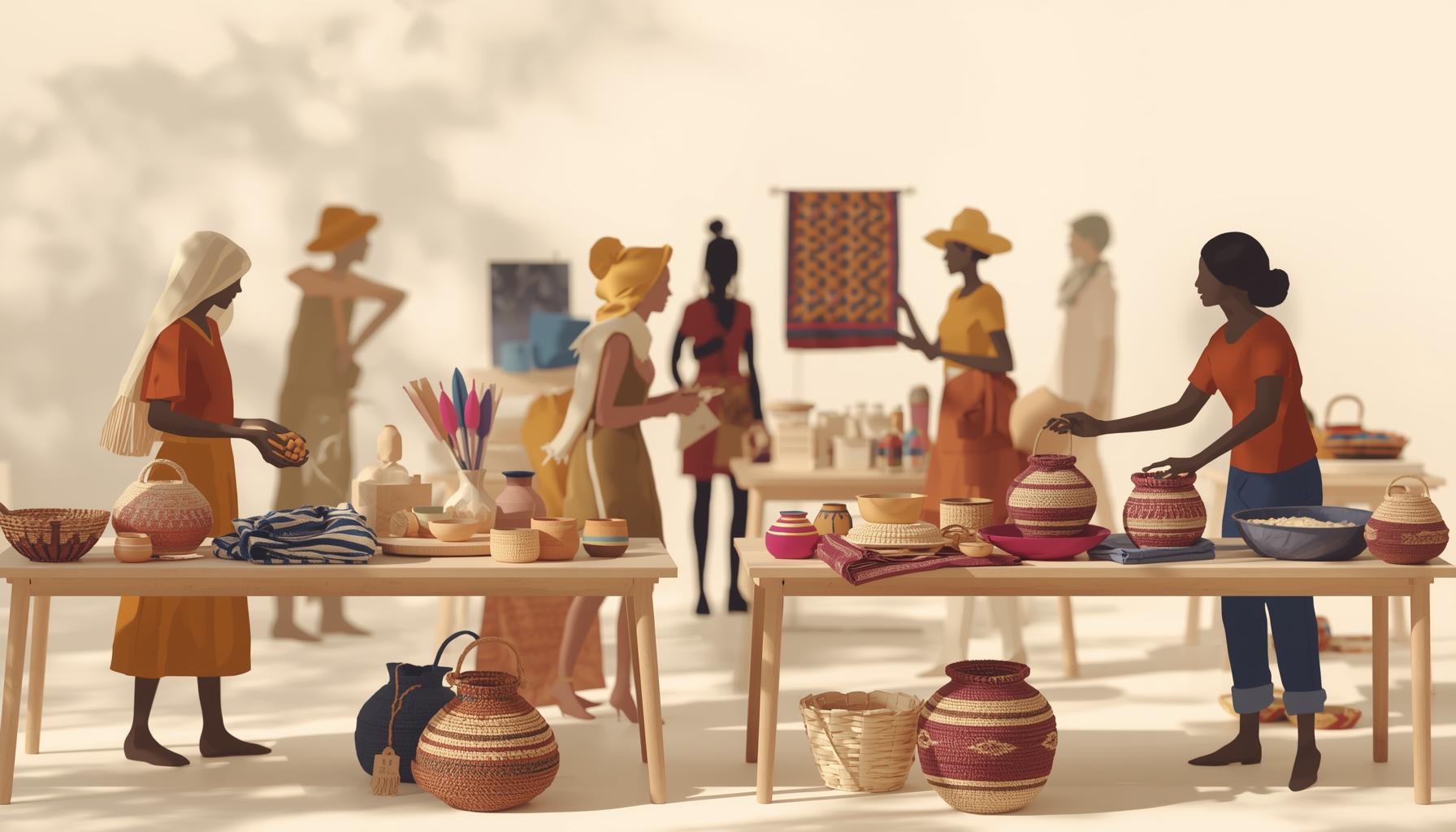
Buyers influence product lines through feedback and repeat purchases. Partnerships with NGOs and community organizations provide technical audits, microfinance, and legal assistance for cooperative governance. Practical ways to support artisan communities include:
- Purchasing certified handcrafted goods with clear origin labels and paying fair prices.
- Supporting membership organizations that provide production financing and market access.
- Donating time or resources to skill-sharing programs that teach bookkeeping, digital skills, or sustainable dyeing.
Certifications and credible partnerships remain crucial signals for responsible buyers. Long-term change occurs when sales are coupled with investments in education, health services, and infrastructure in artisan localities. Third World Bazaar’s role is to maintain ethical procurement practices, connect buyers to maker stories, and scale impact through transparent reporting and continuous collaboration.